Warning: Undefined array key "type_doc" in /home/worldcoa/coalition2020/wp-content/themes/WCADP/index.php on line 25

Warning: Undefined array key "id_pays" in /home/worldcoa/coalition2020/wp-content/themes/WCADP/index.php on line 26

Warning: Undefined array key "id_theme" in /home/worldcoa/coalition2020/wp-content/themes/WCADP/index.php on line 27

Warning: Undefined array key "type_post" in /home/worldcoa/coalition2020/wp-content/themes/WCADP/index.php on line 28

Your search “ ”


Warning: Trying to access array offset on value of type null in /home/worldcoa/coalition2020/wp-content/themes/WCADP/index.php on line 76

Warning: Trying to access array offset on value of type null in /home/worldcoa/coalition2020/wp-content/themes/WCADP/index.php on line 79

Warning: Trying to access array offset on value of type null in /home/worldcoa/coalition2020/wp-content/themes/WCADP/index.php on line 82

Warning: Trying to access array offset on value of type null in /home/worldcoa/coalition2020/wp-content/themes/WCADP/index.php on line 85

Warning: Trying to access array offset on value of type null in /home/worldcoa/coalition2020/wp-content/themes/WCADP/index.php on line 88


Zambia commits to irreversible abolition of the death penalty for all crimes

Article(s)

Zambia commits to irreversible abolition of the death penalty for all crimes

By World coalition against the death penalty, on 23 December 2024

Zambia has acceded to the Second Optional Protocol to the ICCPR, which is the UN treaty aiming at the abolition of the death penalty, on 19 December 2024.

2024


Warning: Undefined variable $tmp in /home/worldcoa/coalition2020/wp-content/themes/WCADP/template-parts/contents.php on line 27

Zambia

Article(s)

Two thirds of the United Nations General Assembly vote in favor of the 10th resolution for a moratorium on the death penalty

By World Coalition Against the Death Penalty, on 20 December 2024

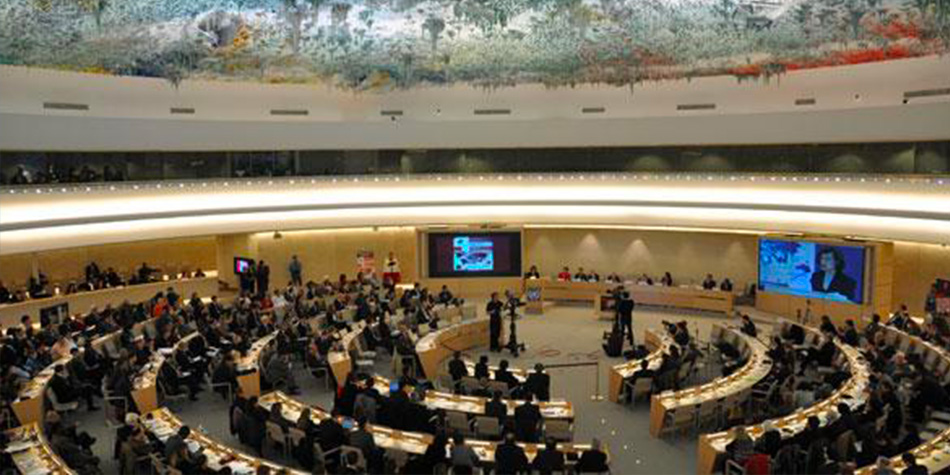
On 17 December 2024, the United Nations General Assembly adopted the 10th resolution for a moratorium on the use of the death penalty with 130 votes in favor out of the 193 United Nations Member States (5 more than in 2022), 32 votes against (5 less than in 2022), 22 abstentions and 9 absent.

2024

Moratorium

Trend Towards Abolition

Page(s)

Cookie Policy

on 19 December 2024

Effective Date: 19-Dec-2024 Last Updated: 19-Dec-2024   What are cookies? This Cookie Policy explains what cookies are and how we use them, the types of cookies we use i.e, the information we collect using cookies and how that information is used, and how to manage the cookie settings. Cookies are small text files that are […]

2024

Document(s)

Texas Death Penalty Developments in 2024: The Year in Review

on 19 December 2024


NGO report


Warning: Undefined variable $liste_type_doc in /home/worldcoa/coalition2020/wp-content/themes/WCADP/template-parts/contents-document.php on line 21

Warning: Undefined variable $liste_themes in /home/worldcoa/coalition2020/wp-content/themes/WCADP/template-parts/contents-document.php on line 35

Clemency

Cruel, Inhuman and Degrading Treatment and Punishment
Death Row Conditions

Fair Trial

Innocence

Intellectual Disability

Legal Representation

Mental Illness

Moratorium

Trend Towards Abolition


Warning: Undefined variable $liste_pays in /home/worldcoa/coalition2020/wp-content/themes/WCADP/template-parts/contents-document.php on line 40

United States


Warning: Undefined variable $tag_langue in /home/worldcoa/coalition2020/wp-content/themes/WCADP/template-parts/contents-document.php on line 85

More details See the document

This report examines important developments regarding the death penalty in Texas in 2024, highlighting cases of individuals convicted despite evidence of innocence, racial and geographic disparities, and issues related to lethal injections.

  • Document type NGO report
  • Countries list United States
  • Themes list Clemency / Cruel, Inhuman and Degrading Treatment and Punishment / Death Row Conditions / Fair Trial / Innocence / Intellectual Disability / Legal Representation / Mental Illness / Moratorium / Trend Towards Abolition
    Warning: Undefined variable $lien_langue in /home/worldcoa/coalition2020/wp-content/themes/WCADP/template-parts/contents-document.php on line 127

Document(s)

Resolution adopted by the General Assembly on 17 December 2024

By The General Assembly of the United Nations, on 17 December 2024


2024

International law - United Nations


Warning: Undefined variable $liste_type_doc in /home/worldcoa/coalition2020/wp-content/themes/WCADP/template-parts/contents-document.php on line 21

Warning: Undefined variable $liste_themes in /home/worldcoa/coalition2020/wp-content/themes/WCADP/template-parts/contents-document.php on line 35

Fair Trial

Juveniles

Mental Illness

Moratorium

Trend Towards Abolition


Warning: Undefined variable $tag_langue in /home/worldcoa/coalition2020/wp-content/themes/WCADP/template-parts/contents-document.php on line 54

Warning: Undefined variable $lien_langue in /home/worldcoa/coalition2020/wp-content/themes/WCADP/template-parts/contents-document.php on line 55
aresfrruzh-hant
More details See the document

The General Assembly of the United Nations calls for a global moratorium on the death penalty, emphasizing the importance of human rights, fair trials, and transparency. It encourages states to reduce capital punishment offenses, improve detention conditions, and share their experiences in limiting or abolishing the death penalty.

81st Ordinary Session of the African Commission of Human and Peoples’ Rights

Article(s)

81st Ordinary Session of the African Commission of Human and Peoples’ Rights: In- Person, Advocating Against the Death Penalty

By the World Coalition Against the Death Penalty, on 12 December 2024

The ACHPR (African Commission on Human and Peoples’ Rights) held its 81st Public Ordinary Session in Banjul, The Gambia, from 17 October – 6 November 2024.

2024

Angola

Burkina Faso

Ethiopia


Warning: Undefined variable $tmp in /home/worldcoa/coalition2020/wp-content/themes/WCADP/template-parts/contents.php on line 27

Mauritius

Trend Towards Abolition

Document(s)

Beyond punishment: From criminal justice responses to drug policy reform

By The Global Commission on Drug Policy, on 12 December 2024


NGO report


Warning: Undefined variable $liste_type_doc in /home/worldcoa/coalition2020/wp-content/themes/WCADP/template-parts/contents-document.php on line 21

Warning: Undefined variable $liste_themes in /home/worldcoa/coalition2020/wp-content/themes/WCADP/template-parts/contents-document.php on line 35

Drug Offenses


Warning: Undefined variable $tag_langue in /home/worldcoa/coalition2020/wp-content/themes/WCADP/template-parts/contents-document.php on line 54

Warning: Undefined variable $lien_langue in /home/worldcoa/coalition2020/wp-content/themes/WCADP/template-parts/contents-document.php on line 55
fr
More details See the document

The Global Commission on Drug Policy’s report, Beyond Punishment: From Criminal Justice Responses to Drug Policy Reform, exposes how punitive drug policies have driven mass incarceration and grave human rights violations. In 2023 alone, over 3.1 million people were arrested for drug-related offenses, with 20% of the global prison population detained for such crimes – nearly half for simple possession.

The report underscores the devastating consequences of prohibitionist policies, including over one million overdose deaths in the U.S. in the past two decades and 40,000 in Canada in just eight years. It also highlights systemic inequities, such as Indigenous peoples in Canada being six times more likely to face drug-related arrests than white counterparts. Furthermore, the report illustrates the disproportionate burdens on women and children, deepening cycles of poverty and marginalization.

It examines the broad spectrum of criminal justice responses to drug offenses, ranging from stop-and-search practices that disproportionately target marginalized communities to extreme measures like the death penalty and enforced treatment. These approaches often violate human rights, perpetuate stigma, and fail to address the root causes of substance use.

Offering a roadmap for reform, the report advocates for evidence-based strategies, including harm reduction measures (e.g., Overdose Prevention Centers, naloxone distribution, and safer supply programs), decriminalization and the legal regulation of drug markets. These approaches not only save lives but also reduce societal harms, foster dignity, and promote health and equity.

Document(s)

Qarchak Prison Report: Hell for Women and Children in Iran

By Iran Human Rights, on 10 December 2024


2024

NGO report


Warning: Undefined variable $liste_type_doc in /home/worldcoa/coalition2020/wp-content/themes/WCADP/template-parts/contents-document.php on line 21

Warning: Undefined variable $liste_themes in /home/worldcoa/coalition2020/wp-content/themes/WCADP/template-parts/contents-document.php on line 35

Cruel, Inhuman and Degrading Treatment and Punishment

Death Row Conditions


Warning: Undefined variable $liste_pays in /home/worldcoa/coalition2020/wp-content/themes/WCADP/template-parts/contents-document.php on line 40

Iran (Islamic Republic of)

Women


Warning: Undefined variable $tag_langue in /home/worldcoa/coalition2020/wp-content/themes/WCADP/template-parts/contents-document.php on line 85

More details See the document

Iran Human Rights (IHRNGO) has released a detailed report exposing the inhumane conditions at Qarchak Prison in Iran, a facility originally designed as a poultry farm. The prison detains over 2,000 women and children in overcrowded and unsanitary conditions, with a lack of healthcare, contaminated drinking water, and inadequate nutrition. Children, some born in the prison, are exposed to severe hardships, including unhygienic environments, insufficient food, and inadequate medical care, and are often separated from their mothers at the age of two.

The report also highlights the use of solitary confinement for women, including death row prisoners awaiting execution. These cells lack ventilation and basic facilities, exacerbating the psychological and physical suffering of detainees. Mothers detained with their children face additional challenges, including threats of separation and the absence of educational or recreational resources for their children.

IHRNGO calls for the immediate closure of Qarchak Prison and urges the international community to take action against these egregious human rights violations. This report underscores the urgent need to protect the dignity and rights of all prisoners, particularly the most vulnerable women and children.

  • Document type NGO report
  • Countries list Iran (Islamic Republic of)
  • Themes list Cruel, Inhuman and Degrading Treatment and Punishment / Death Row Conditions / Women
    Warning: Undefined variable $lien_langue in /home/worldcoa/coalition2020/wp-content/themes/WCADP/template-parts/contents-document.php on line 127

Page(s)

Algolia refaire tout l’index

on 6 December 2024

2024

Document(s)

Hidden Casualties: Executions Harm Mental Health of Prison Staff

By Death Penalty Information Center , on 5 December 2024


2024

Arguments against the death penalty


Warning: Undefined variable $liste_type_doc in /home/worldcoa/coalition2020/wp-content/themes/WCADP/template-parts/contents-document.php on line 21

Warning: Undefined variable $liste_themes in /home/worldcoa/coalition2020/wp-content/themes/WCADP/template-parts/contents-document.php on line 35

Death Row Conditions

Mental Illness


Warning: Undefined variable $liste_pays in /home/worldcoa/coalition2020/wp-content/themes/WCADP/template-parts/contents-document.php on line 40

United States


Warning: Undefined variable $tag_langue in /home/worldcoa/coalition2020/wp-content/themes/WCADP/template-parts/contents-document.php on line 85

More details See the document

Executions take a severe psychological toll on prison staff, with many experiencing PTSD, moral injury, and emotional distress. This article explores the hidden casualties of the death penalty, revealing how executioners and correctional officers face mental health challenges that often go unacknowledged. With insights from studies, personal accounts, and cases across the U.S., it highlights the urgent need for systemic support and reform.

  • Document type Arguments against the death penalty
  • Countries list United States
  • Themes list Death Row Conditions / Mental Illness
    Warning: Undefined variable $lien_langue in /home/worldcoa/coalition2020/wp-content/themes/WCADP/template-parts/contents-document.php on line 127