
THE GLOBAL CONSORTIUM FOR DEATH PENALTY ABOLITION
The Global Consortium for Death Penalty Abolition is a civil society-led initiative composed of 25 abolitionist organizations, including regional networks, grassroots groups, and international NGOs. Established in 2024, the Consortium is funded by the European Union, with which it has signed a 48-month Framework Financial Partnership Agreement (FFPA).
The Consortium comprises the following member organizations:
- Bahrain Institute for Rights and Democracy (BIRD)
- Culture pour la paix et la justice (CPJ)
- Droits et paix
- Ensemble Contre la Peine de Mort (ECPM)
- European Saudi Organization for Human Rights (ESOHR)
- Foundation for Human Rights Initiative (FHRI)
- Greater Caribbean for Life (GCL)
- Harm Reduction International (HRI)
- International Commission of Jurists (ICJ Kenya)
- Iran Human Rights (IHRNGO)
- KontraS (Commission for the Disappeared and Victims of Violence)
- LBH Masyarakat (LBHM)
- The Square Circle Clinic (ex P39A)
- Parliamentarians for Global Action (PGA)
- Penal Reform International (PRI)
- Reprieve
- Taiwan Alliance to End the Death Penalty (TAEDP)
- The Advocates for Human Rights (TAHR)
- The Asian Death Penalty Abolition Network (ADPAN)
- The Community of Sant’Egidio
- The Death Penalty Project (DPP)
- The International Federation of ACAT (FIACAT)
- The Rights Practice (TRP)
- Witness to Innocence (WTI)
Together, these organizations bring complementary mandates that include advocacy, campaigning, legal representation, and complex casework. Their thematic expertise spans areas such as drug policy, penal reform, terrorism, torture, as well as engagement with religious communities, youth, parliamentarians, and exonerees, notably.
Galvanizing the global movement against the death penalty
The Consortium pursues two main objectives:
- Increase the influence of the abolitionist movement in relevant decision-making processes and decision-making spaces.
- Expand and create a more diverse abolitionist ecosystem at the global, regional and national level.
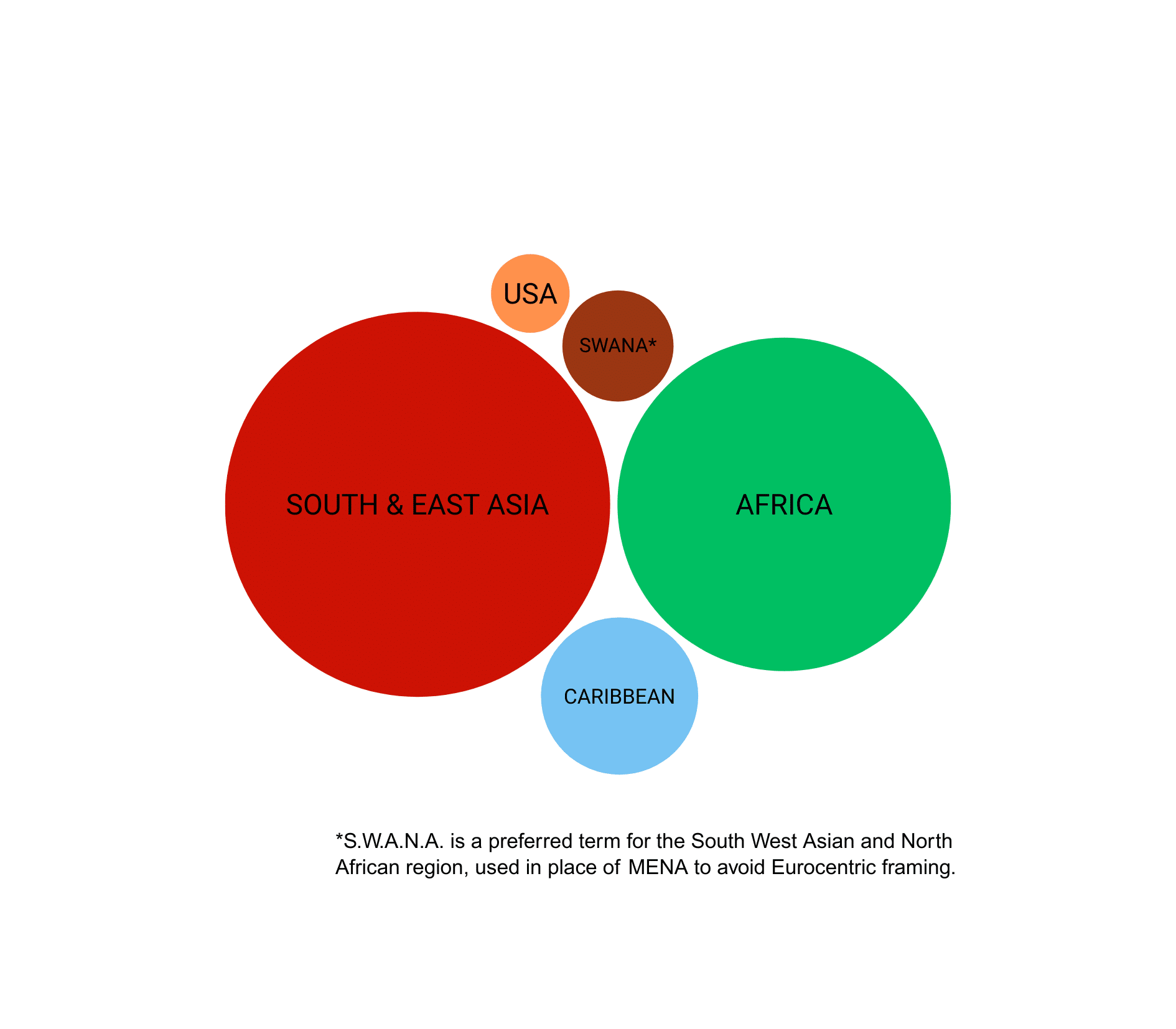
To achieve these goals, the Consortium operates in 40 target countries, implementing tailored strategies across four categories:
- Promoting transparency in hardcore retentionist countries
- Reducing the scope of the death penalty in retentionist countries with potential for change
- Abolition in law in countries that are abolitionist in practice
- Ratification of abolitionist treaties in countries that are already abolitionist in law
The Consortium’s efforts are structured around three strategic axes:
COORDINATION – Enhancing the coordination of abolitionist efforts at national, regional, and international levels to ensure consistency and maximize impact.
COLLABORATION – Strengthening collaboration between relevant actors key to the abolition of the death penalty.
SUPPORT – Providing financial support and sharing best practices to strengthen the capacities of civil-society organizations to influence abolition.