
Your search “ ”
Document(s)
Facts and Figures 2012
By World Coalition against the death penalty , on 10 October 2012
2012
Campaigning
Trend Towards Abolition
esfrMore details Download [ pdf - 251 Ko ]
On October 10, the World Coalition Against the Death Penalty and abolitionists worldwide will celebrate the 10th
anniversary of World Day against the Death Penalty. This year’s World Day focuses on the achievements and
progress made toward abolition. Around the world, countries have ended or restricted their use of the death
penalty. In addition, they have signified their support of ending this practice by ratifying the Second Optional
Protocol to the International Covenant on Civil and Political Rights, aiming at the abolition of the death penalty
and by voting in favour of United Nations (UN) resolutions for a moratorium on the death penalty. The World
Coalition welcomes these steps forward as it also remains vigilant for the challenges ahead.
- Document type Campaigning
- Themes list Trend Towards Abolition
- Available languages Hoja Informativa DetalladaFaits et figures 2012
Article(s)
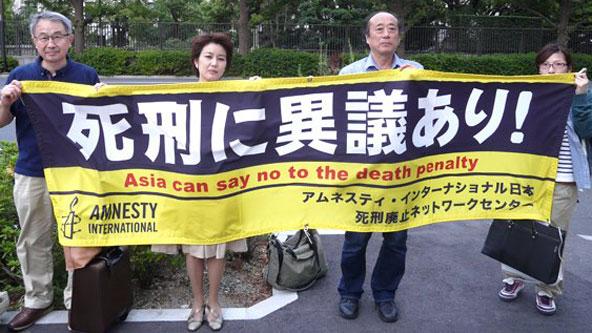
ADPAN network keeps up abolitionist fight
By Anti-Death Penalty Asian Network (ADPAN), on 10 October 2012
The Anti-Death Penalty Asia Network, which was founded on 10 October 2006, is again taking action this World Day Against the Death Penalty and takes stock on 10 years of progress in Asia – and on the challenges ahead.
Article(s)
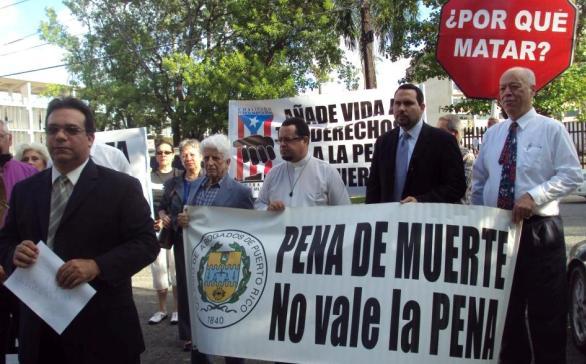
Jury Rejects Federal Death Penalty in Puerto Rico
By Kevin Miguel Rivera-Medina, President of the Puerto Rico Bar Association Committee on Death Penalty, on 2 October 2012
San Juan, Puerto Rico – On September 27, 2012, a jury declined the United States Government petition to impose capital punishment in a murder trial on the Federal District Court. The Puerto Rico Bar Association and the Puerto Rico Coalition Against the Death Penalty were among the organizations who led a series of vigils, press releases, radio and television appearances, along many other events to raise the voice of abolitionism and justice.
2012
United States

Article(s)
India should join nations abolishing the death penalty
By Navkiran Singh, Lawyers For Human Rights International, on 27 September 2012
The debate has recently been growing in India, with former President Pratibha Patil commuting the death sentence of 35 convicts in a few years and 14 former judges challenging death penalties confirmed by the Supreme Court.
Although India has not executed anyone since 2004, more than 400 people are on death row and the courts hand down fresh death sentences every year. Navkiran Singh, general secretary of World Coalition member organisation, Lawyers For Human Rights International, explains why he believes there is a positive move in his country.
2012
India
Article(s)
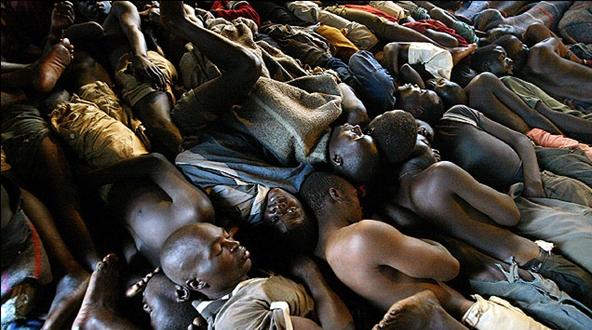
Malawi – five years after abolishing the mandatory death penalty
By Emile Carreau, on 19 September 2012
In 2007 abolitionists celebrated when the High Court of Malawi abolished the mandatory death penalty. In what become known as the Kafanteyeni ruling the mandatory death penalty was deemed by the bench as unconstitutional as it amounts to an arbitrary deprivation of life, denies an accused the right to a fair trial and the right to be free from inhuman and degrading treatment.
2012
Malawi

Article(s)
Calls to end executions in The Gambia
By World Coalition Against the Death Penalty, on 3 September 2012
FIDH and the World Coalition Against the Death Penalty join others to urge The Gambia to stop executions and call upon the African Union to relocate the seat of the African Commission for Human and People’s Rights in another country.
2012
Gambia
Article(s)
A Moratorium acts as a “truce” for the death penalty
on 23 August 2012
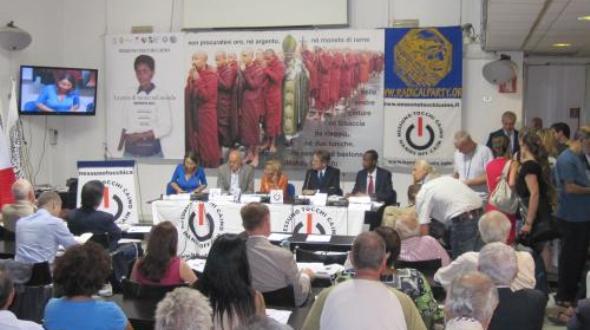
Hands Off Cain published its annual report in August. President of Sierra Leone Ernest Bai Koroma wrote the introduction and the book has been dedicated to Rwanda.
2012
Benin
Burundi
Ethiopia
Ghana
Guinea
Latvia
Maldives
Mauritania
Mongolia
Moratorium
Morocco
Myanmar
Nigeria
Rwanda
Sierra Leone
South Africa
Suriname
Uganda
United States
Zambia
Article(s)
From restrictions to abolition
By World Coalition Against the Death Penalty, on 17 August 2012
The Inter-American Commission on Human Rights has published a new report and called for abolition of the death penalty.
2012
Antigua and Barbuda
Argentina
Bahamas
Barbados
Belize
Bolivia (Plurinational State of)
Brazil
Canada
Chile
Colombia
Costa Rica
Cuba
Dominica
Dominican Republic
Ecuador
El Salvador
Grenada
Guatemala
Guyana
Haiti
Honduras
Jamaica
Mexico
Nicaragua
Panama
Paraguay
Peru
Saint Kitts and Nevis
Saint Lucia
Saint Vincent and the Grenadines
Trinidad and Tobago
United States
Uruguay
Venezuela (Bolivarian Republic of)
Document(s)
2012 Report – Moratorium on the use of the death penalty
By United Nations, on 3 August 2012
2012
United Nations report
Moratorium
aresfrruzh-hantMore details See the document
The present report is submitted to the General Assembly pursuant to its resolution 65/206. It discusses the trend towards abolition of the death penalty and the establishment of a moratorium on execution. The report also reflects on the application of international standards relating to the protection of the rights of those facing the death penalty. It further discusses the importance of making available relevant information with regard to the use of the death penalty, which can contribute to transparent national debates and international and regional initiatives for the promotion of the universal abolition of the death penalty.
- Document type United Nations report
- Themes list Moratorium
- Available languages تقرير 2012 - وقف العمل بعقوبة الإعدامInforme 2012 - Moratoria del uso de la pena de muerteRapport 2012 - Moratoire sur l’application de la peine de mortДоклад 2012 - Мораторий на применение смертной казни2012报告 - 暂停使用死刑
Article(s)
Singaporean and Malaysian activists welcome changes in their country
By World Coalition Against the Death Penalty, on 16 July 2012
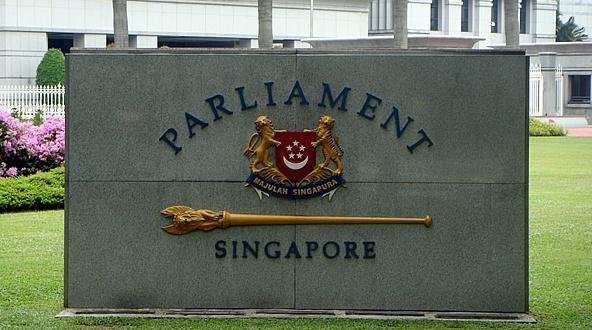
In Singapore and Malaysia, governments are considering removing mandatory death penalty in some drug and murder cases. A move welcomed by activists on the ground, though they consider it “only a small step in the right direction”.
2012
Drug Offenses
Malaysia
Singapore