
Your search “ ”
Document(s)
World Day Poster 2022
By the World Coalition Against the Death Penalty, on 9 June 2022
2022
Campaigning
World Coalition
aresfafrruzh-hantMore details Download [ pdf - 4097 Ko ]
20th World Day on “Torture and the death penalty”.
- Document type Campaigning / World Coalition
- Available languages 2022 ملصق اليوم العال مPoster Spanish – 2022 Día Mundial contra la Pena de MuertePoster Farsi 2022 - بیستمین روز جهانی علیهمجازات مرگAffiche Journée mondiale 2022Poster Russian 2022 - 20Й ВСЕМИРНЫЙ ДЕНЬ ПРОТИВ СМЕРТНОЙ КАЗНИPoster Chinese 2022- 第20届世界反死刑日
Document(s)
Mobilization Kit World Day 2022
By the World Coalition Against the Death Penalty, on 9 June 2022
World Coalition
frMore details Download [ pdf - 892 Ko ]
For the 20th year in a row, the World Coalition Against the Death Penalty is calling for local initiatives and world-wide actions that shine a spotlight on the abolition of the death penalty. The goal of this Mobilization Kit is to inform of this year’s objectives as well provide ideas of activities that boost the global abolitionist goal. This year’s World Day is dedicated to people who, during the process of being sentenced to death, or following the sentence of their death, have been victims of torture.
- Document type World Coalition
- Available languages Kit de mobilisation Journée mondiale 2022
Document(s)
Amnesty International Global Report : Death Sentences and Executions 2021
on 25 May 2022
2022
NGO report
aresfrMore details Download [ pdf - 2638 Ko ]
2021 saw a worrying rise in executions and death sentences as some of the world’s most prolific executioners returned to business as usual and courts were unshackled from Covid-19 restrictions, Amnesty International said today in its annual review of the death penalty.
- Document type NGO report
- Available languages التقرير العالمي لمنظمة العفو الدولية أحكام وعمليات الإعدام في 2021Condenas A Muerte Y Ejecuciones 2021Condamnations à mort et exécutions 2021
Document(s)
A Deadly Distraction, Why the Death Penalty is not the Answer to Rape in South Asia
on 25 May 2022
Arguments against the death penalty
NGO report
Bangladesh
India
Pakistan
Sri Lanka
More details See the document
Since 2010, persons convicted of rape offences were executed in at least 9 countries, including India and Pakistan. Moreover, public protests against the rape epidemic, which led governments to introduce capital rape laws, illustrates the need to shine a spotlight in South Asia.
The report examines the use of the death penalty for rape in four South Asian countries: Bangladesh, India, Pakistan and Sri Lanka and explores ways that anti-death penalty activists can challenge this concerning trend.
- Document type Arguments against the death penalty / NGO report
- Countries list Bangladesh / India / Pakistan / Sri Lanka
Article(s)
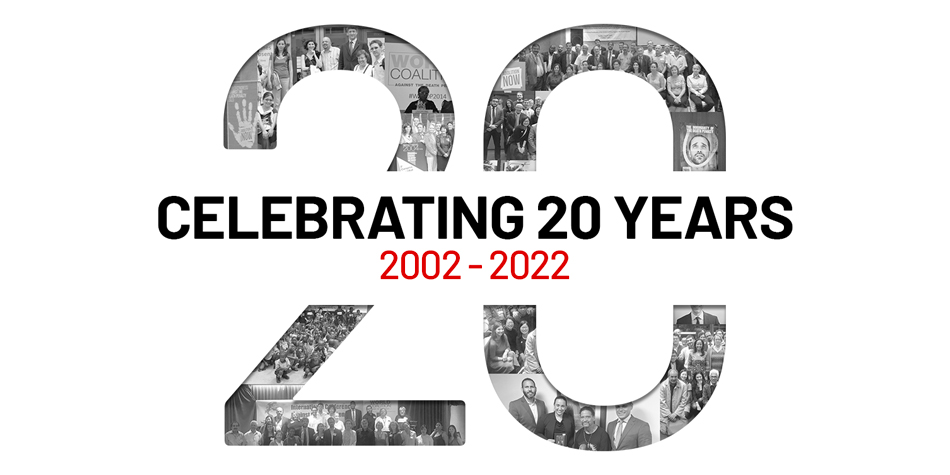
The World Coalition Against the Death Penalty celebrates its 20th anniversary!
on 13 May 2022
For this occasion, we wanted to give the floor to our founding member organizations. 20 years of memories, meetings, activism and fight with the hope to see one day a world without death penalty. Discover those testimonials in our newsletter.
2022
Article(s)
Over 8,000 people on death row in South Asia
By Aurelie Placais, staff, on 3 May 2022
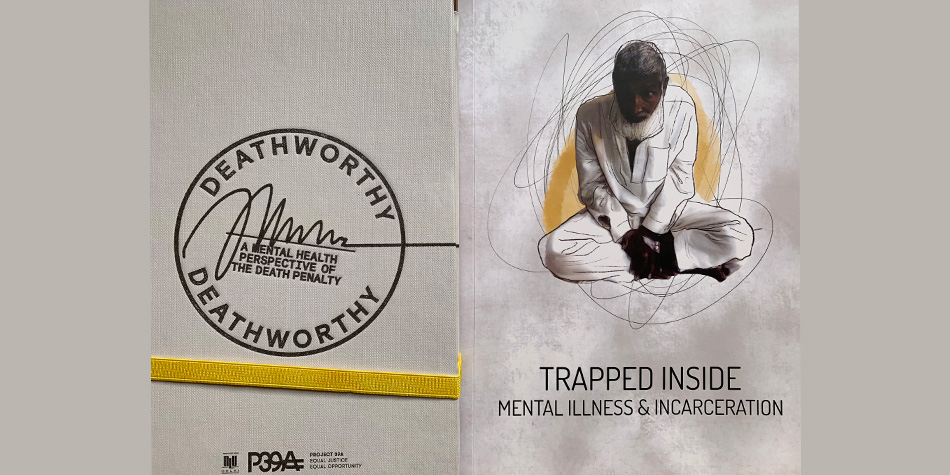
With few executions but one of the biggest death rows in the world, South Asia is at a crossroad. Recent publications explore mental health on death row and social and economic background of people sentenced to death in Bangladesh, India, the Maldives, Pakistan and Sri Lanka.
2022
Bangladesh
Death Row Conditions
India
Maldives
Mental Illness
Pakistan
Sri Lanka
Article(s)
Abolition of the death penalty at the United Nations Human Rights Council 49th session
By Aurelie Placais, staff, on 3 May 2022
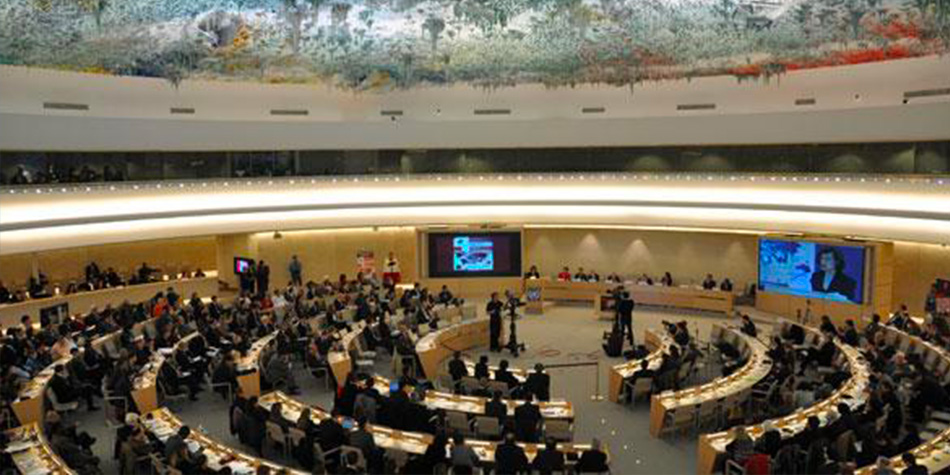
The 49th session of the UN Human Rights Council took place from 28 February to 1 April 2022. If you missed it, here’s what happened in relation to the abolition of the death penalty!
Article(s)
European Protocol for full abolition turns 20
By World Coalition Against the Death Penalty, on 3 May 2022
Today is the 20th anniversary of the adoption of Protocol No. 13 to the Convention for the Protection of Human Rights and Fundamental Freedoms, concerning the abolition of the death penalty in all circumstances.
Armenia
Azerbaijan
Article(s)
Liberian Civil Society Organize to Push for Abolition
By Rescue Alternatives Liberia and the World Coalition Against the Death Penalty, on 29 April 2022
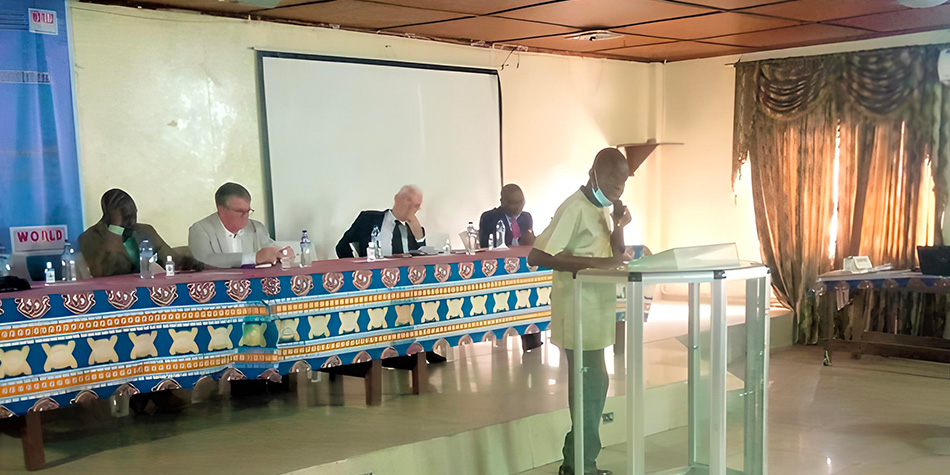
On 12 April 2022, Rescue Alternatives Liberia (RAL) orchestrated a one-day forum on abolition in Liberia with the support of the World Coalition Against the Death Penalty. The outcomes of this event were very promising, and time will tell if abolition in Liberia is near.
2022
Liberia
Public Opinion
Document(s)
Annual Report on The Death Penalty In Iran 2021
on 28 April 2022
2022
NGO report
Iran (Islamic Republic of)
frMore details See the document
The 120-page report assesses and analyses trends in death penalty practices in order to propose recommendations, tailored to the national context, and to engage in a constructive dialogue on capital punishment in the country.
The death penalty situation in the Islamic Republic of Iran remains alarming with a significant increase in executions in 2021 (+25%) and an increasing number of Iranian women being executed. The number of executions has doubled after the election of Ebrahim Raeisi as President, and as the Islamic Republic and Western governments negotiate to revive the nuclear deal, also called the Joint Comprehensive Plan of Action (JCPOA). These are some of the main findings of the 14th Annual Report on the Death Penalty in Iran by Iran Human Rights (IHRNGO) and Ensemble Contre la Peine de Mort (ECPM) released today.
- Document type NGO report
- Countries list Iran (Islamic Republic of)
- Available languages Rapport annuel sur la peine de mort en Iran 2021