

Death Penalty and Security: Insights from the 2025 Panel Discussion
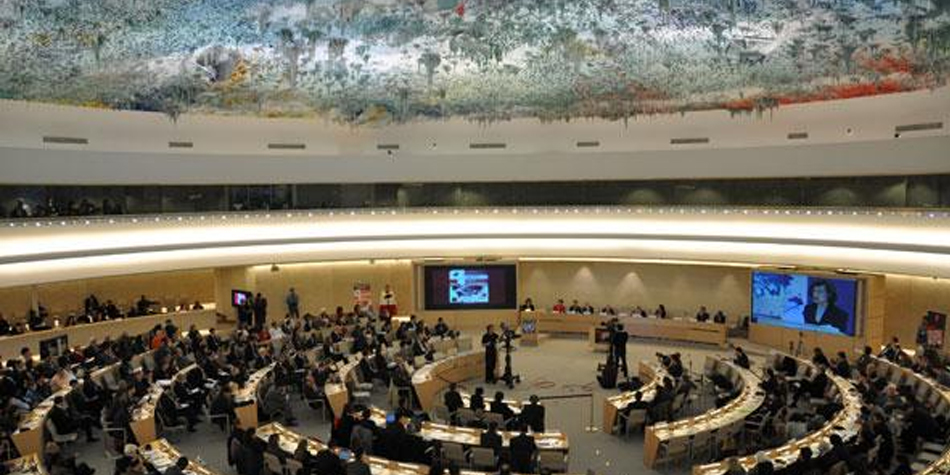
On October 9, 2025, a panel of international experts convened to challenge the misconception that the death penalty can make people and communities safer. Moderated by Atty. Francis Tom Temprosa, Regional Director of the Anti-Death Penalty Asia Network (ADPAN), the discussion brought together diverse perspectives from law, human rights, and lived experience.
Terrorism and the Death Penalty
International lawyer Oliver Windridge examined the links between anti-terrorism laws and the death penalty, warning that vague definitions of terrorism can encourage arbitrary executions motivated by political considerations.
He called for narrow, precise legal definitions, stronger international oversight, and the integration of abolitionist advocacy into global counterterrorism mechanisms such as the Financial Action Task Force. These measures, he emphasized, are essential to prevent the misuse of capital punishment under the guise of national security.
The Death Penalty Does Not Ensure Security in the DRC
Olivier Lungwe Fataki, lawyer and representative of Pax Christi Uvira ASBL, discussed the misuse of the death penalty in the Democratic Republic of Congo (DRC), particularly in the context of insecurity and ongoing conflict. He highlighted that executions are often framed as measures to protect communities, but in reality, they serve as political tools that deepen mistrust in the justice system and exacerbate social tensions.
Mr. Fataki explained that the recent partial lifting of the moratorium on executions in the DRC applies to crimes that are eminently political in nature, which lends this punishment a character of political instrumentalization. This undermines its credibility and prevents the root causes of violence from being addressed. “Executions are presented as protection, but they create more insecurity rather than less,” he observed. He called for comprehensive rights-based strategies—including judicial reform, strengthened rule of law, community engagement, and investment in crime prevention—as far more effective means of promoting lasting safety and stability.
The Death Penalty Is Not a Solution to Gender-Based Violence
Ivana Krstić, Vice Chairperson of the United Nations Working Group on Discrimination against Women and Girls, highlighted that the death penalty does not protect survivors of gender-based violence (GBV) and may reinforce systemic inequalities.
She explained that harsh punishments can deter survivors from reporting crimes and perpetuate patriarchal norms that enable violence. “True protection against sexual and gender-based violence lies not in executions, but in comprehensive strategies,” she stated. “Women will be safer when states build justice systems that work, dismantle structures of inequality, and create environments where all people can live free from fear.”
Ms. Krstić emphasized that abolition efforts must align with gender equality initiatives, in partnership with women’s rights organizations, feminist movements, and LGBTQ+ advocates, to ensure survivor-centered justice and expose the false promise of safety that the death penalty represents.
Witness to Injustice: The Perspective Of Those Directly Affected
Ruth Nakajja, a former political prisoner in Uganda who was sentenced to death, shared a moving personal testimony on how capital punishment perpetuates suffering rather than preventing it.
“Justice was never on our side… The death penalty is not a solution. Even if you kill me today, tomorrow others will continue to suffer. The ones always harmed are the poor, the innocent, and those who never had a chance to defend themselves,” she said.
Ms. Nakajja described the years she and her family spent imprisoned for a crime they did not commit, underlining the multigenerational trauma inflicted on children and communities. She called for restorative justice mechanisms and systemic reforms that address the root causes of violence and inequality.
The Death Penalty Does Not Make Individuals and Societies Safer
The panel’s reflections converged on a powerful truth: the death penalty does not make societies safer—it deepens cycles of fear, violence, and injustice. Across contexts—terrorism, gender-based violence, political repression, and insecurity—the same pattern emerged: the death penalty offers the illusion of control, not the reality of safety.
What truly protects communities, the speakers agreed, are strong institutions, fair trials, equality before the law, and justice systems grounded in human dignity. Ending the death penalty is not an act of leniency—it is a commitment to building societies where life is valued and accountability is real.
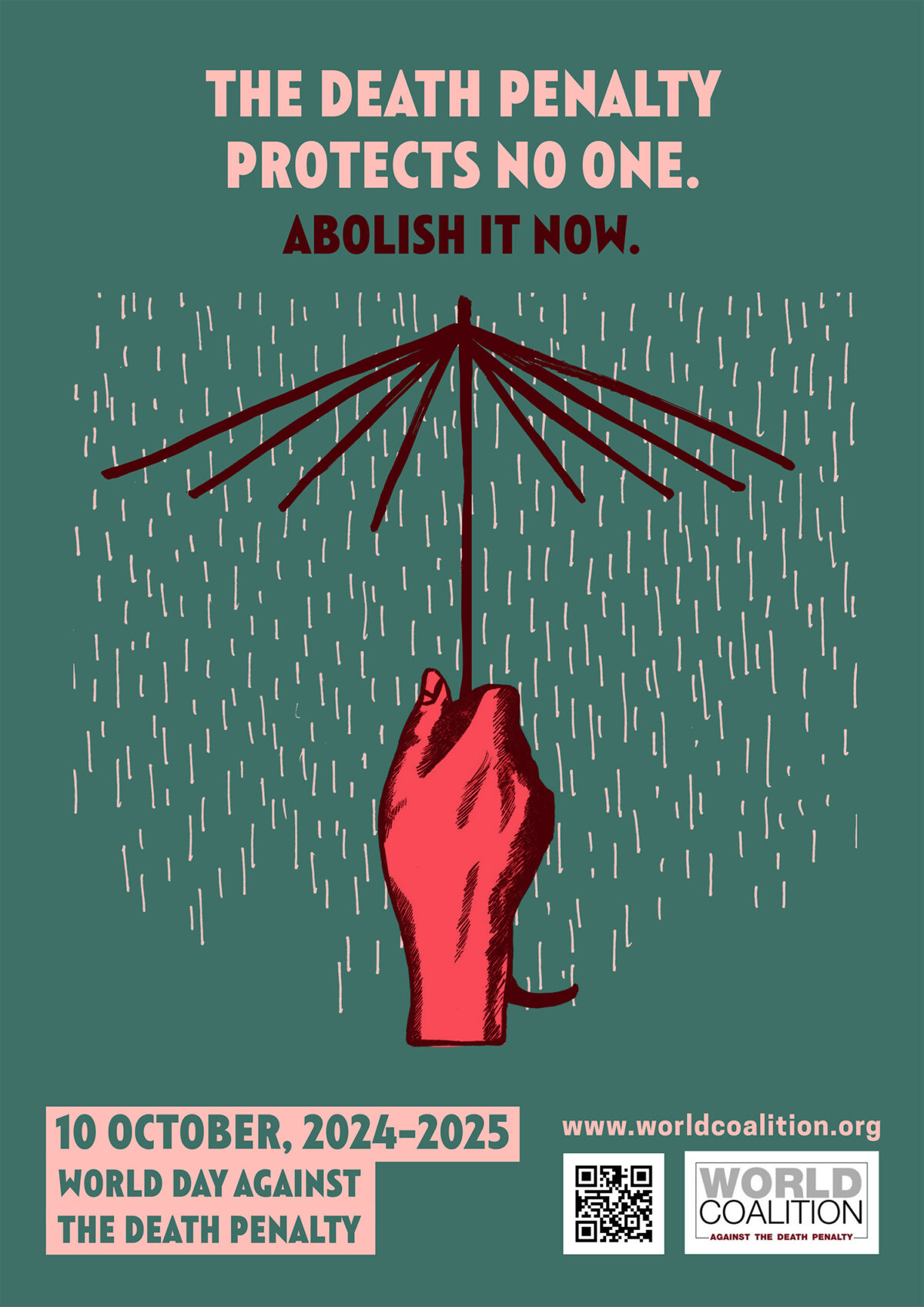
As the World Day Against the Death Penalty reminds us, true safety is achieved not through fear, but through justice, inclusion, and humanity.