
No longer invisible: UN shines light on reality of women on death row
Advocacy
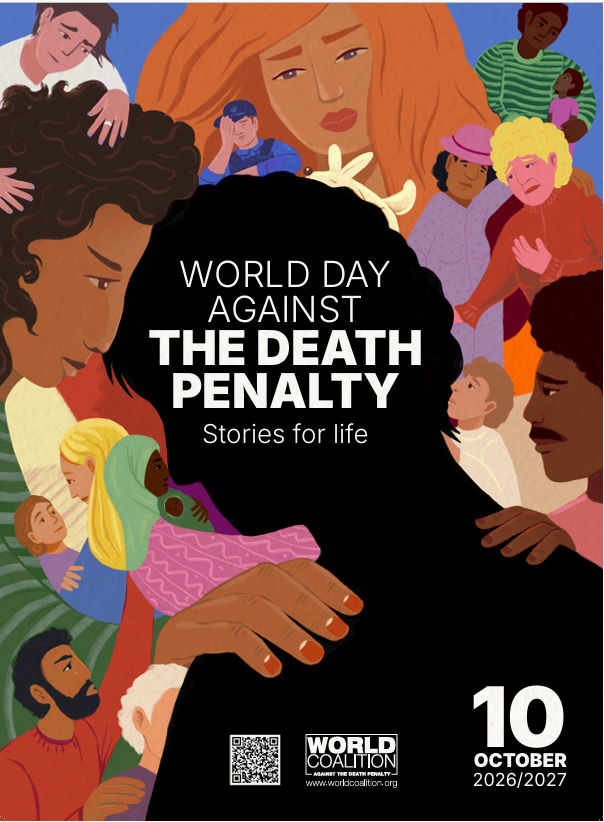
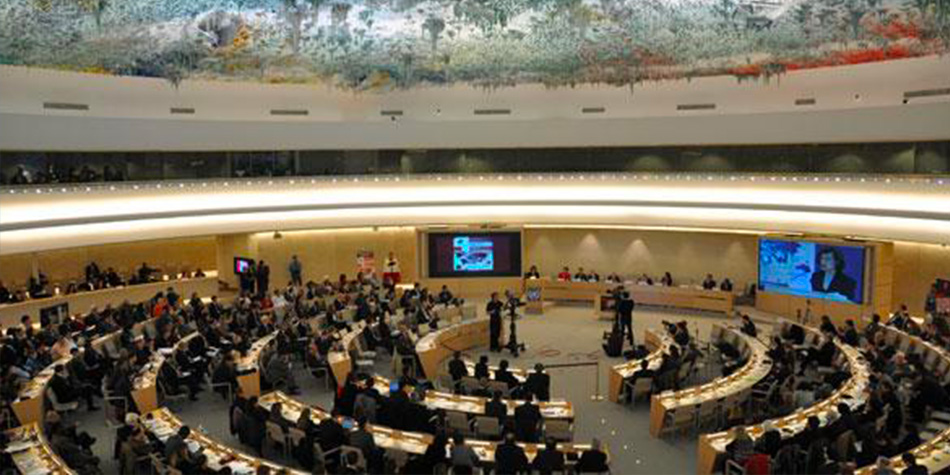
It was an early opportunity to mark World Day Against the Death Penalty, which The Advocates for Human Rights (The Advocates) and other members of the World Coalition Against the Death Penalty (World Coalition) observe annually on 10 October. On 7 October 2025, the UN Human Rights Council adopted a resolution on the “question of the death penalty” by 31 votes to 7, with 8 abstentions.
A historic resolution in favour of women sentenced to death
The Council adopts this resolution every two years, but the 2025 text is the first time that the work done by The Advocates and its partners in the World Coalition over the past four years to highlight the situation of women facing the death penalty has been recognised at the highest level of the international human rights system.
Since 2021, the World Coalition and its members have submitted 45 reports on gender and the death penalty to the United Nations Committee on the Elimination of Discrimination against Women (CEDAW). The 2025 resolution highlights the impact of this work by “noting the increasing attention given [to the death penalty] in the most recent work of the Committee on the Elimination of Discrimination against Women.”
Amy Bergquist, deputy director of The Advocates’ International Justice Programme, who participated in the Council’s informal consultations on the resolution in September, observes that “during discussions on this paragraph, Singapore objected, insisting that there was no evidence that the CEDAW Committee was paying ‘increasing attention’ to the death penalty.”
The CEDAW Committee had in fact reviewed Singapore’s human rights record in 2024, and thanks in part to two reports submitted by The Advocates and its World Coalition partners, the Anti Death Penalty Asia Network, Capital Punishment Justice Project, and the Singapore-based Transformative Justice Collective, the Committee’s experts questioned the Singaporean delegation about the country’s death penalty practices and their impact on women. “We had the evidence,” Bergquist added. “When I spoke at the informal consultation, I reminded Council delegates that not only had the CEDAW Committee raised the issue with Singapore, but that the Committee had raised the issue of the death penalty with a State under review 25 times since the World Coalition’s 2021 launch of its campaign on Gender and the Death Penalty’s campaign,” compared to only two mentions in the previous five years.
Recognition of specific discrimination against women and girls
The 2025 resolution also includes, for the first time, a paragraph “expressing concern about the specific type of discrimination that affects the sentencing of women and girls, and recalling the importance of their full, equal and meaningful access to and participation in the defence and their ability to seek redress in court in death penalty cases”. This wording stems from the UN Secretary-General’s August 2025 report on the question of the death penalty, which drew heavily on several contributions from members of the World Coalition.
Recognising that it is often difficult to obtain accurate data on women sentenced to death, the resolution also calls on States that maintain the death penalty to publish comprehensive information on their capital punishment practices, “disaggregated by sex” and other factors.
A concrete step forward for the abolitionist cause
“Not only the final text of the resolution, but also the entire negotiation process shows that we are influencing international human rights policy. The CEDAW Committee has used information from our reports to make powerful recommendations to countries such as Iran, Saudi Arabia and Singapore, and the Secretary-General has used our reports to highlight the gender dimension of the death penalty. States that are strongly opposed to abolition, such as Singapore, are facing more scrutiny. The resolution is concrete proof that we are making a difference,” concluded Ms Bergquist.