
Your search “ ”
Article(s)
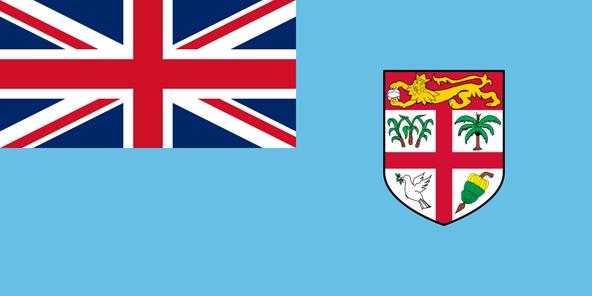
Fiji abolishes death penalty for all crimes through amendment to military law
By Auréie Plaçais, on 23 February 2015
On 9 February 2015, Attorney General Aiyaz Sayed-Khaiyum introduced in parliament the Republic of Fiji Military Forces amended Bill 2015, a one page bill to abolish the death penalty provision.
2015
Fiji

Article(s)
World Coalition members share knowledge on UN advocacy
By Asil Abuassba (The Advocates for Human Rights), on 19 February 2015
Asil Abuassba, a Palestinian intern with World Coalition member organisation The Advocates for Human Rights, attended a training session to help global activists submit reports on the death penalty situation in their countries to UN bodies.
2015
Cruel, Inhuman and Degrading Treatment and Punishment
Death Row Conditions
Fair Trial
Innocence
Intellectual Disability
Juveniles
Mental Illness
Article(s)
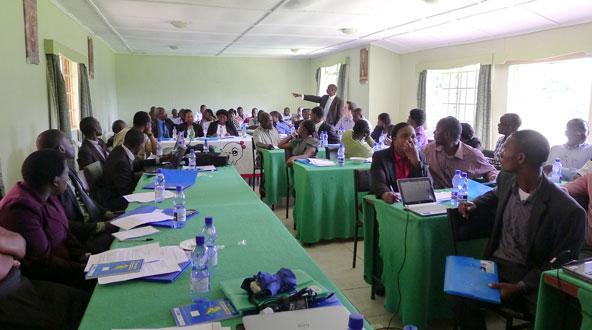
Mental health seminar takes Malawi a step closer to resentencings
By Emile Carreau, on 28 January 2015
The Malawi Human Rights Commission (MHRC) held a two-day seminar on mental health evaluations in preparation for the resentencing of nearly 200 individuals after their mandatory death sentences were deemed unconstitutional.
2015
Malawi
Malawi
Mental Illness
Article(s)
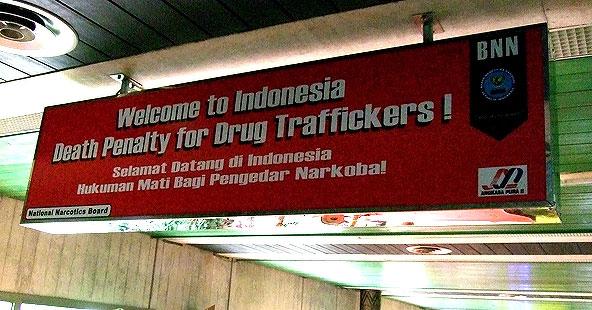
Indonesia: execution for drug crimes is no solution
By World Coalition Against the Death Penalty, on 26 January 2015
In an open letter, the World Coalition and its members, including KONTRAS and Amnesty International, condemn the Indonesian government’s politicizing of the death penalty to show its commitment to eradicating drug-related crimes. Recent resumptions of executions show one thing, they are carried out for political reasons only: in Pakistan to show that it is tough on terrorism, Jordan that it tough on crime and Indonesia that it is tough on drugs. Instead, those states should abolish the death penalty to show their commitment to upholding human rights. The next World Day against the Death Penalty will be dedicated to the issue of capital drug crimes.
2015
Drug Offenses
Indonesia
Article(s)
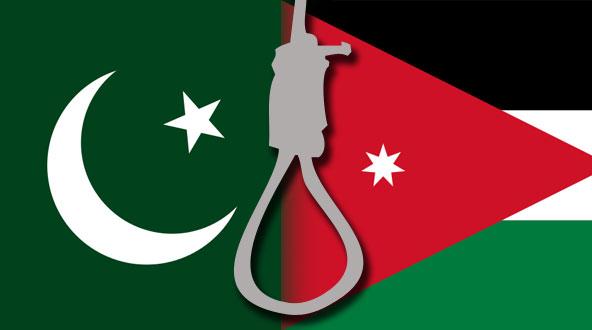
Executions in Jordan and Pakistan show need to go beyond moratorium
By Thomas Hubert, on 16 January 2015
The World Coalition and its members have criticised decisions by the governments of Jordan and Pakistan to reverse their policy of suspending executions despite a historic vote in favour of a moratorium on the use of the death penalty at the UN General Assembly.
2015
Jordan
Moratorium
Pakistan
Article(s)
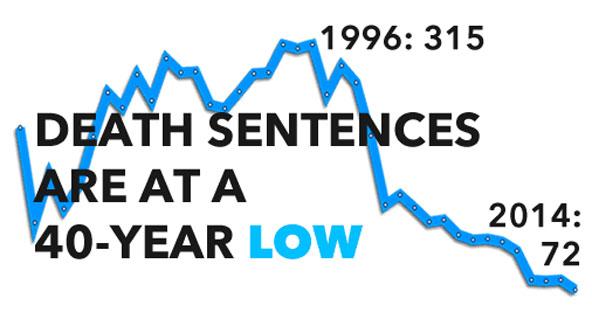
Fewest death sentences in 40 years in the US
By Death Penalty Information Center, on 12 January 2015
The number of executions in the United States was at its lowest in 20 years and seven death row prisoners were exonerated in 2014.
2015
Intellectual Disability
Mental Illness
United States
Document(s)
Making the Media Work for You
By European Journalism Centre, on 1 January 2015
2015
Arguments against the death penalty
More details See the document
- Document type Arguments against the death penalty
- Themes list Public opinion, Networks, Member organizations,
Document(s)
Spectacle of the Scaffold? The Politics of Death Penalty in Indonesia
By Deasy Simandjuntak, on 1 January 2015
Article
Indonesia
More details See the document
Simandjuntak’s article comes back to the death sentences part of the “war against drugs” conducted by President Widjojo in Indonesia. In 2015, 14 drug convicts – mostly foreign nationals – have been executed. The article also comes back to the wide support to the death penalty in the country, on the debate on the presumed deterrent effect of the death penalty and on the political function of the capital punishment in Indonesia.
- Document type Article
- Countries list Indonesia
- Themes list Public opinion, Deterrence , Drug Offences, Foreign Nationals, Country/Regional profiles,
Document(s)
The death penalty in China
By Bin Lu, Hong Liang / Columbia University Press, on 1 January 2015
Arguments against the death penalty
More details See the document
Featuring experts from Europe, Australia, Japan, China, and the United States, this collection of essays follows changes in the theory and policy of China’s death penalty from the Mao era (1949–1979) through the Deng era (1980–1997) up to the present day. Using empirical data, such as capital offender and offense profiles, temporal and regional variations in capital punishment, and the impact of social media on public opinion and reform, contributors relay both the character of China’s death penalty practices and the incremental changes that indicate reform. They then compare the Chinese experience to other countries throughout Asia and the world, showing how change can be implemented even within a non-democratic and rigid political system, but also the dangers of promoting policies that society may not be ready to embrace.
- Document type Arguments against the death penalty
- Themes list Death Penalty, Country/Regional profiles,
Document(s)
The abolition of the death penalty in the United Kingdom. How it happened and why it still matters
By Death Penalty Project / Julian B. Knowles QC, on 1 January 2015
NGO report
More details See the document
Drawing on his own extensive advocacy experience in individual death row cases, Knowles traces the history of capital punishment in the UK, and in particular, the sequence of events that led to its abolition and analyses the impact that domestic and international law would have on any attempt to reintroduce it.Many lessons can be learnt from the United Kingdom’s experience. The movement to abolition was brought about by a combination of factors, including Parliamentary campaigning; changing attitudes towards social and penal affairs; and significantly, public disquiet over three controversial executions in the 1950s and a shocking series of miscarriages of justice cases that came to light in subsequent years.
- Document type NGO report
- Themes list Trend Towards Abolition, Country/Regional profiles,