
Your search “ ”
Member(s)
SALAM for Democracy and Human Rights (SALAM DHR)
on 30 April 2021
SALAM for Democracy and Human Rights (SALAM DHR) is an NGO that endeavors to preserve universal principles of dignity and respect by shielding democracy and human rights. SALAM DHR conducts monitoring and analysis, produces reports, develops recommendations on policy and legislation, organizes advocacy campaigns, conducts trainings, and builds effective coalitions. SALAM DHR is actively involved […]
2021
Bahrain
Newsletter March 2021
on 23 April 2021
Online version Download PDF
2021
Document(s)
Co-Sponsorship, Note Verbale, and Association Behaviour at the Unga: An Analysis of the Death Penalty Moratorium Resolutions
By Daniel Pascoe & Sangmin Bae, on 22 April 2021
2021
Academic report
Moratorium
More details See the document
Since December 2007, seven resolutions in favour of a universal moratorium on death penalty executions have been adopted by the UN General Assembly. In an earlier paper (Pascoe and Bae 2020) we examined UN member states’ voting patterns over these seven resolutions, asking why some countries vote in a manner seemingly contradictory to their domestic death penalty practices. With a slightly different focus, we now further explore idiosyncratic state behaviour, this time through an analysis of co-sponsorship and the note verbale of dissociation. Our assumption is that states which plan to vote ‘yes’ in the plenary will also co-sponsor the resolution beforehand. We also presume that states which vote ‘no’ in the plenary will sign the note verbale invariably circulated several months later, as a further means of condemnation.
However, when it comes to the moratorium resolutions, not all member states fit into either of these binary categories. Many countries situate themselves in between the two groups of ‘genuine’ supporters and opponents. These countries in the middle evince inconsistency between their plenary votes and what we term their ‘association behaviour’ before or after the plenary, consisting of co-sponsorship and adherence to the note verbale. This paper analyses these groups of countries to determine the underlying causes for their ambivalent, or even contradictory, positions concerning the moratorium resolutions. The findings of this research stand to enrich not only the academic literature on international organizations, but also to inform the campaigning efforts of abolitionist UN member states and non-governmental organizations.
- Document type Academic report
- Themes list Moratorium
Article(s)
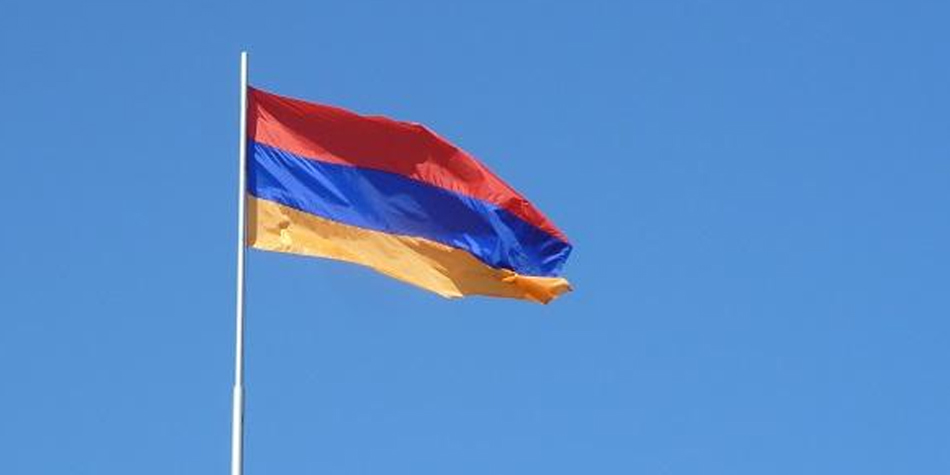
Armenia ratifies international treaty for irreversible abolition of the death penalty
By Aurélie Plaçais, on 25 March 2021
Armenia ratified the Second Optional Protocol to the ICCPR on 18 March 2021.
2021
Armenia
Article(s)
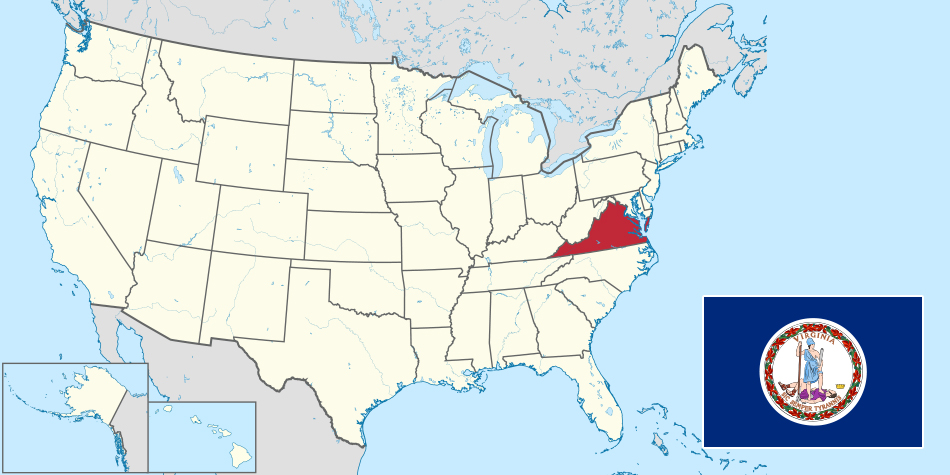
The Commonwealth of Virginia Abolishes the Death Penalty
By Louis Linel, on 25 March 2021
Virginia became the 23rd US State to formally ban capital punishment on 24 March 2021.
United States
Document(s)
Keep the Death Penalty Abolished in the Philippines (Waray)
By World Coalition Against Death Penalty, on 23 March 2021
2021
Campaigning
Drug Offenses
Philippines
More details Download [ pdf - 1057 Ko ]
This brochure was developed by the World Coalition Against the Death Penalty with the Commission on the Human Rights in the Philippines. It explains why the death penalty risks returning in the Philippines and the reasons against its resurgence. It is available in 11 languages of the Philippines, plus French and English.
- Document type Campaigning
- Countries list Philippines
- Themes list Drug Offenses
Document(s)
Keep the Death Penalty Abolished in the Philippines (Tausug)
By World Coalition Against Death Penalty, on 23 March 2021
Campaigning
Drug Offenses
Philippines
More details Download [ pdf - 2595 Ko ]
This brochure was developed by the World Coalition Against the Death Penalty with the Commission on the Human Rights in the Philippines. It explains why the death penalty risks returning in the Philippines and the reasons against its resurgence. It is available in 11 languages of the Philippines, plus French and English.
- Document type Campaigning
- Countries list Philippines
- Themes list Drug Offenses
Document(s)
Keep the Death Penalty Abolished in the Philippines (Tagalog)
By World Coalition Against Death Penalty, on 23 March 2021
Campaigning
Drug Offenses
Philippines
More details Download [ pdf - 2519 Ko ]
This brochure was developed by the World Coalition Against the Death Penalty with the Commission on the Human Rights in the Philippines. It explains why the death penalty risks returning in the Philippines and the reasons against its resurgence. It is available in 11 languages of the Philippines, plus French and English.
- Document type Campaigning
- Countries list Philippines
- Themes list Drug Offenses
Document(s)
Keep the Death Penalty Abolished in the Philippines (Pangasinense)
By World Coalition Against Death Penalty, on 23 March 2021
Campaigning
Drug Offenses
Philippines
More details Download [ pdf - 1042 Ko ]
This brochure was developed by the World Coalition Against the Death Penalty with the Commission on the Human Rights in the Philippines. It explains why the death penalty risks returning in the Philippines and the reasons against its resurgence. It is available in 11 languages of the Philippines, plus French and English.
- Document type Campaigning
- Countries list Philippines
- Themes list Drug Offenses
Document(s)
Keep the Death Penalty Abolished in the Philippines (Marano)
By World Coalition Against Death Penalty, on 23 March 2021
Campaigning
Drug Offenses
Philippines
More details Download [ pdf - 1410 Ko ]
This brochure was developed by the World Coalition Against the Death Penalty with the Commission on the Human Rights in the Philippines. It explains why the death penalty risks returning in the Philippines and the reasons against its resurgence. It is available in 11 languages of the Philippines, plus French and English.
- Document type Campaigning
- Countries list Philippines
- Themes list Drug Offenses